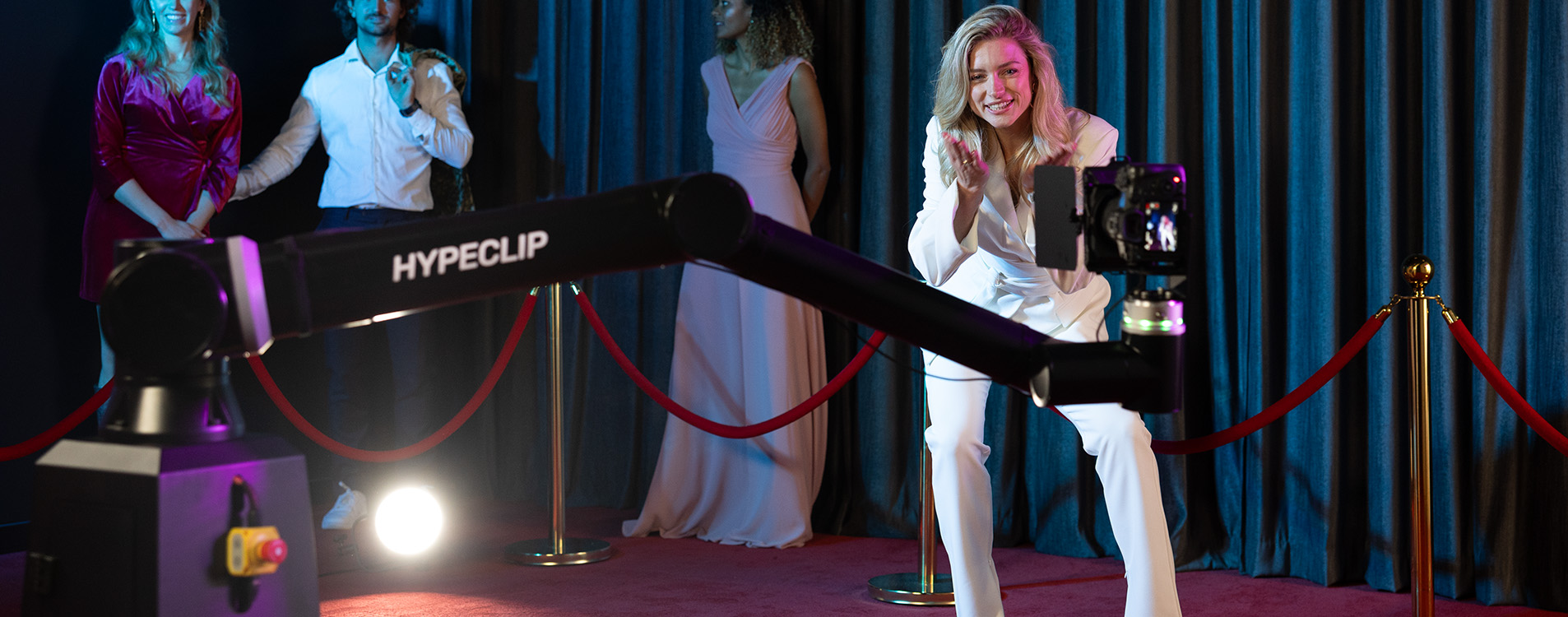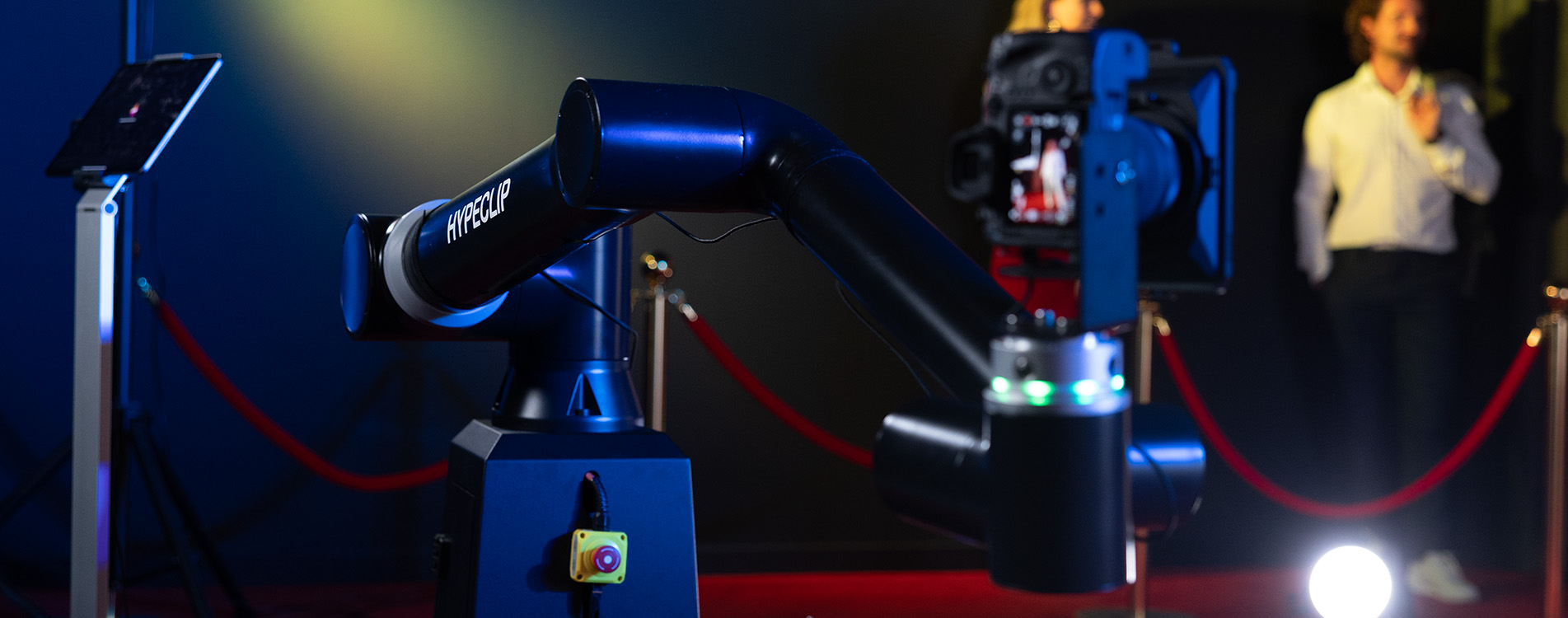

Think about the last time you watched a product video that stopped you mid-scroll. Chances are, the camera wasn’t just sitting still. It was gliding, tilting, or slowly pushing in with perfect timing. That movement felt expensive. And there’s a real reason for that. Robotic camera rigs do something human operators struggle to match. They move with total consistency. Every inch of travel is planned. Every speed change is smooth. There are no micro-shakes, no hesitations, no accidental drifts. When you watch footage like that, your brain registers it as polished. This happens even if you can’t explain why.
Your Brain Notices the Difference
Humans are wired to spot irregular motion. It’s a survival instinct. Jerky movement triggers a low-level alert in your mind. It signals something unstable or uncontrolled. Smooth, predictable movement does the opposite. It feels safe. It feels intentional. It feels like someone who knows what they’re doing. That’s exactly why robotic motion reads as premium. It’s not about the Glambot camera itself. It’s about what perfectly controlled movement communicates to the viewer. It says: this was carefully planned, every detail was handled, and nothing was left to chance. High-end brands figured this out early. Watch a luxury car commercial. Notice how the camera floats around the vehicle without a single bobble. That silky movement is doing half the storytelling. It makes the product look like it deserves that kind of attention.
Consistency Across Every Shot
One of the biggest advantages of camera robot arms is repeatability. A human operator, no matter how skilled, will move slightly differently on each take. Over a long shoot day, those differences stack up. Cuts between angles start to feel slightly off. The flow breaks down. A robotic rig hits the same mark every single time. You can run the same move 50 times and get 50 identical passes. That consistency makes editing cleaner. It makes multi-angle sequences feel seamless. And it gives the final video a rhythm that feels choreographed rather than captured. When everything cuts together that smoothly, the production value jumps. Viewers feel it, even on a small phone screen.
Motion as a Design Choice
With Glambot robotic systems, camera movement becomes a design tool. You’re not just reacting to the subject. You’re building a visual language around it. A slow push toward a product creates anticipation. A wide orbit shows scale. A fast tracking shot adds energy. These choices used to require massive budgets and full film crews. Now, smaller production teams can program these moves with precision and repeat them without needing a large team on set all day. The tools have come down in price and up in quality. That shift has changed what’s possible for brands at every level. The result is content that used to look like a TV commercial now being produced for social media clips. And audiences have noticed. Expectations have gone up.
Why It Matters
Short-form video is a crowded space. You have about two seconds to earn someone’s attention. In that window, production quality is one of the fastest signals a viewer reads. Robotic movement delivers a visual cue that something worth watching is happening. It creates instant credibility. It also adds motion interest in clips where the product itself isn’t moving. A still object on a table becomes compelling when the camera travels around it with intention. The movement carries energy that keeps eyes on the screen. That’s the real power of Glambot photo booth work. It doesn’t just look good. It works. It holds attention, builds brand perception, and makes everything feel like it belongs at a higher level.